History of Milan Duomo construction
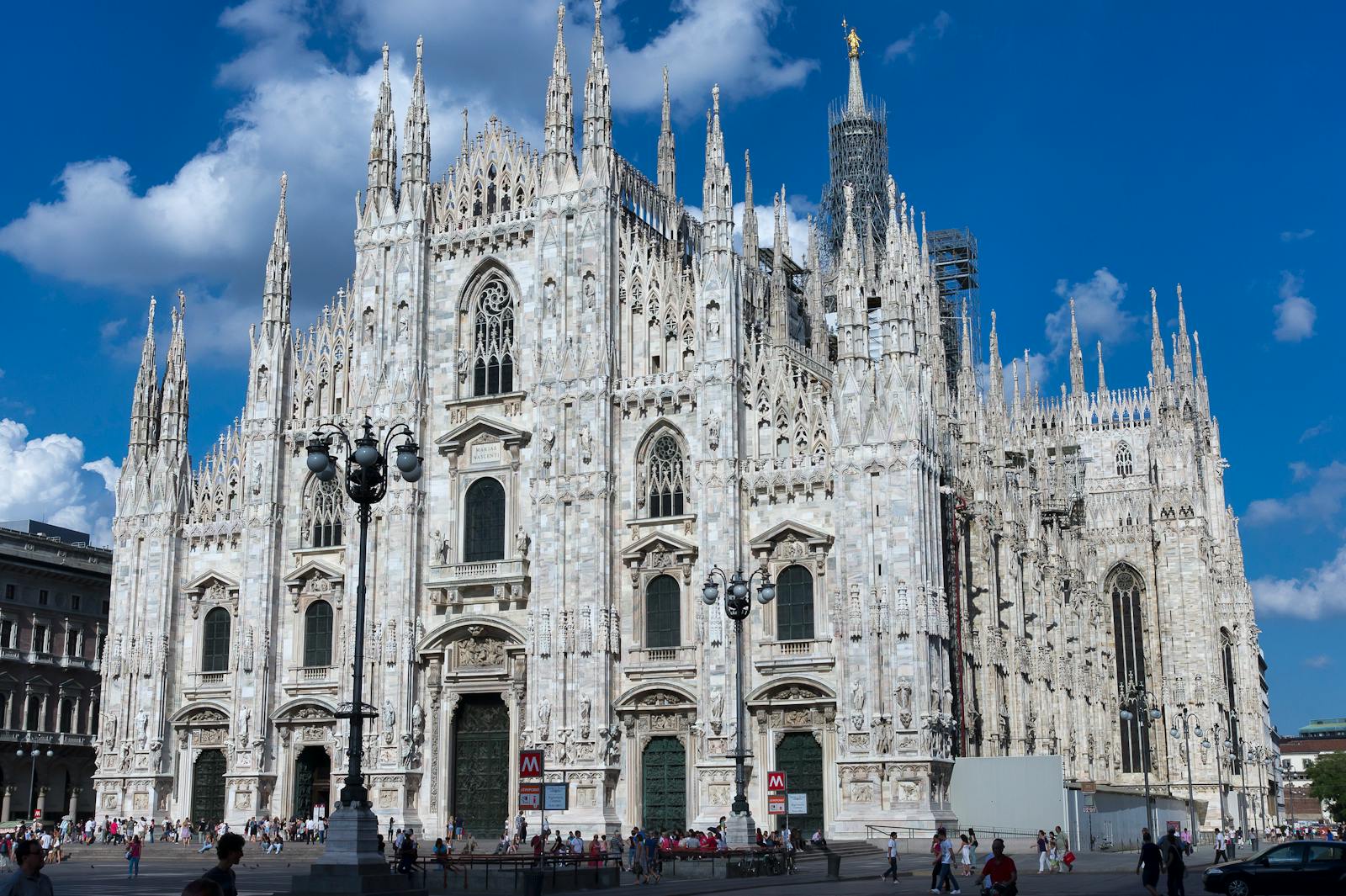
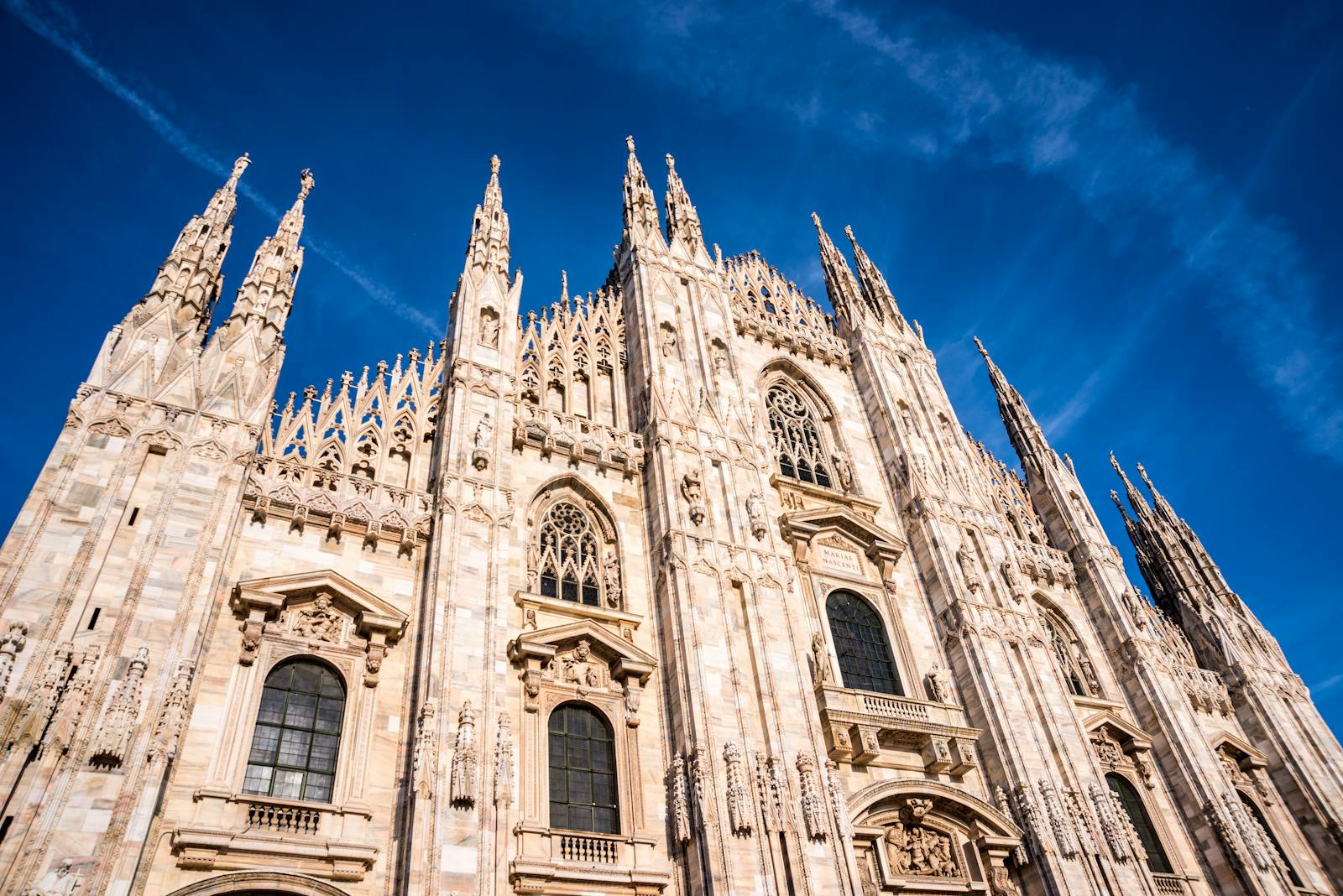
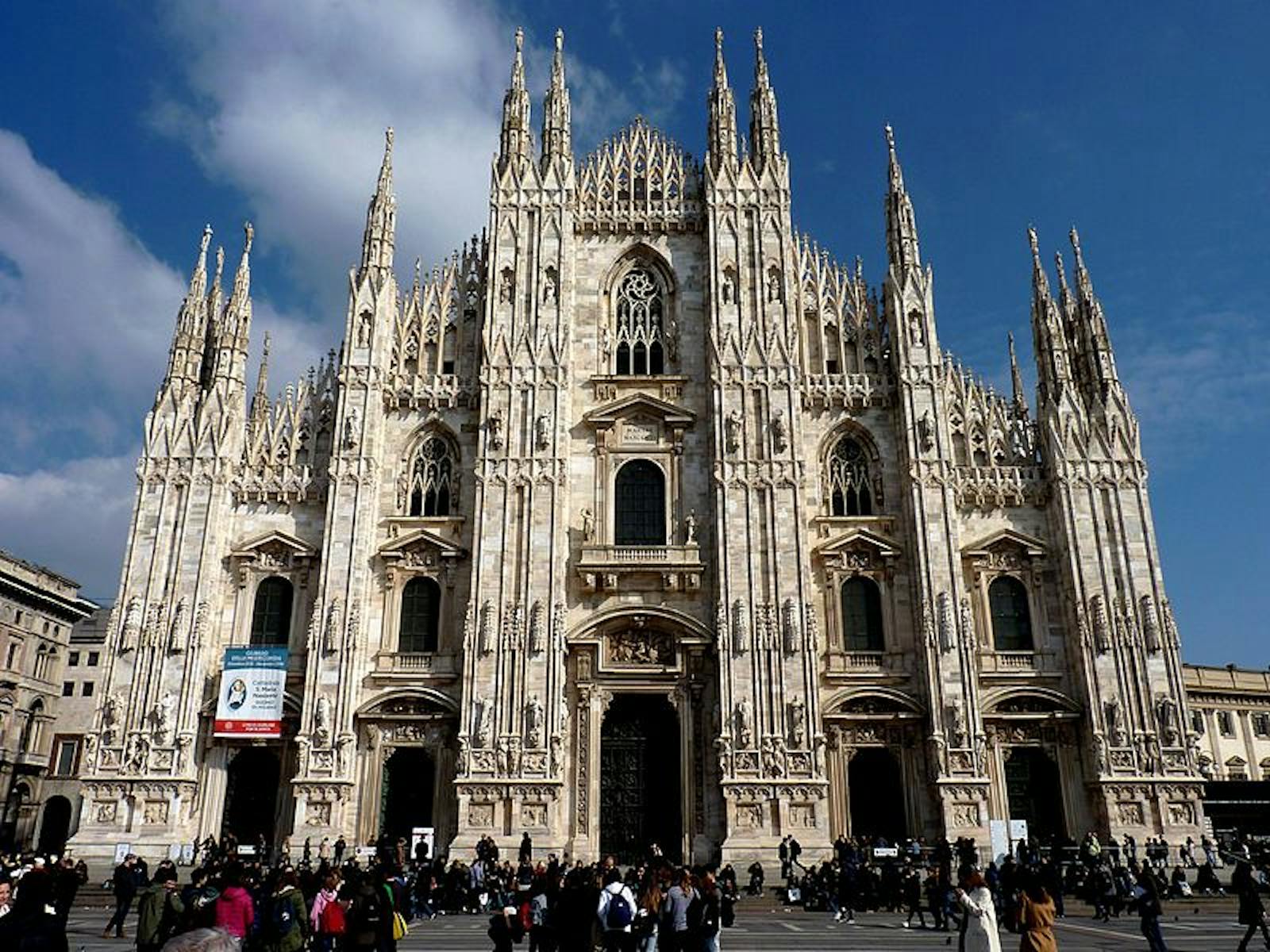
Gian Galeazzo Visconti's ambitious project began in 1386, aiming to surpass French cathedrals. The Duke mandated the exclusive use of Candoglia marble, extracted from the Alps, to affirm Milan's prestige. Each block was marked 'Ad Usum Fabricae' (AUF), benefiting from tax exemptions to accelerate construction. This political decision transformed the city into a colossal construction site.
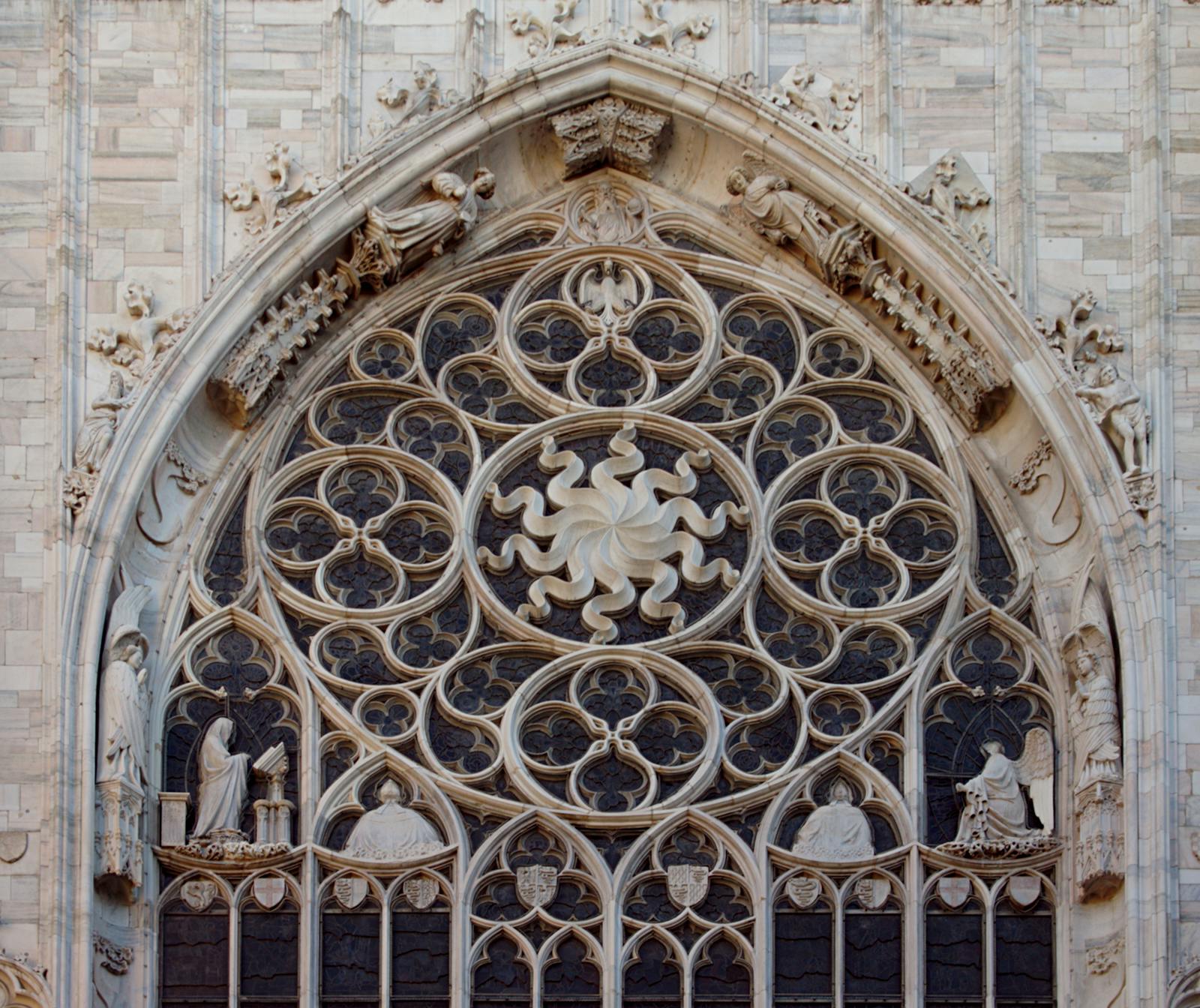
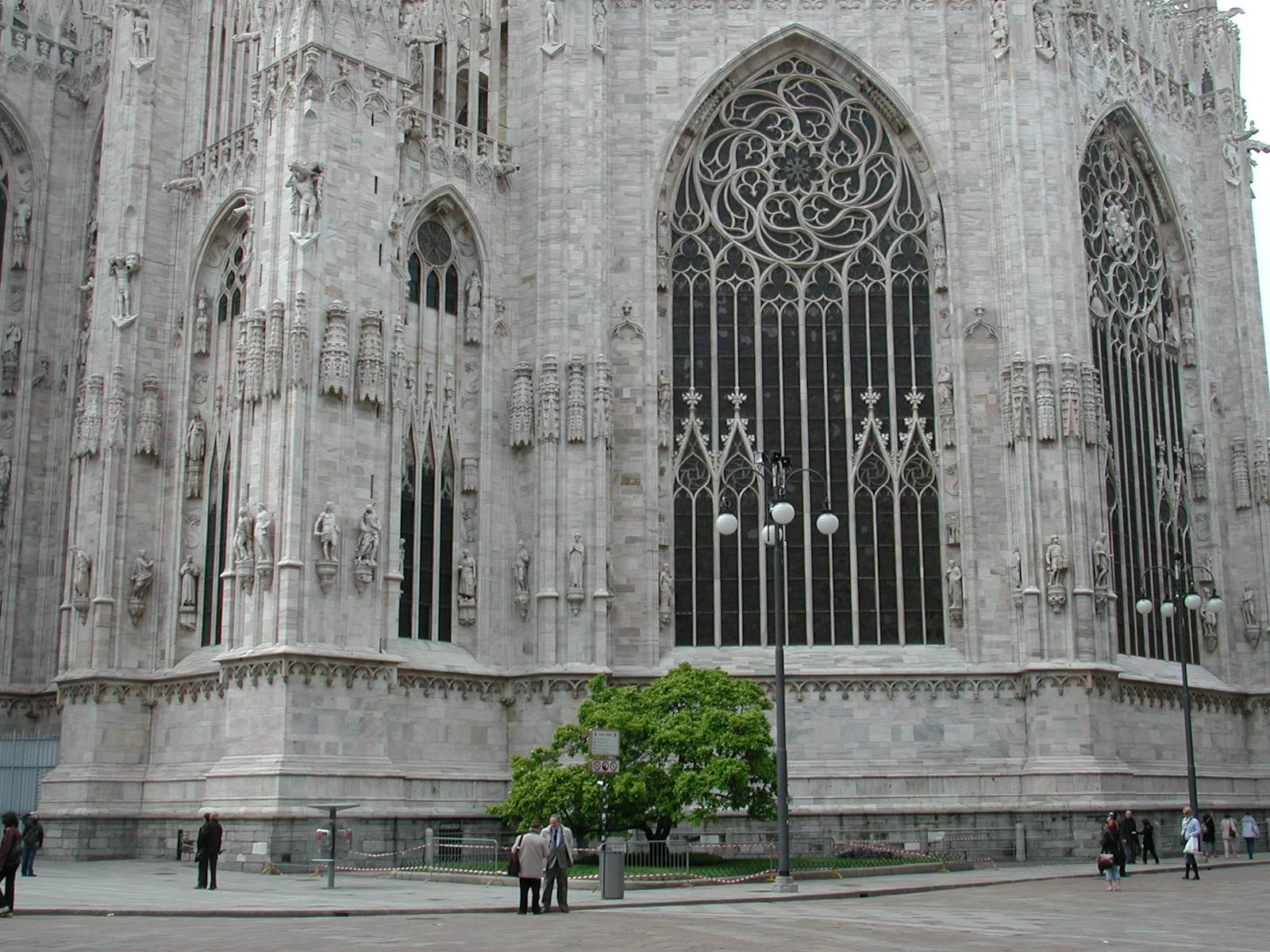
Construction spanned 550 years, marked by rivalries between French architects and Lombard masters. Jean Mignot, a French architect, influenced the Flamboyant Gothic style, while local artisans adapted the forms. Construction only ceased when the Madonnina was placed in 1932, symbolizing official completion. This long gestation allowed the stylistic evolution from Gothic to Neoclassical.
The current site once housed the Santa Maria Maggiore cathedral, where Saint Augustine was baptized in the 4th century. The destruction of this ancient basilica freed up space for the new monumental building. The Duomo thus became the spiritual heart and political center of Milan, replacing earlier medieval structures. This historical continuity anchors the cathedral in the collective memory of Lombardy.
Visiting the Milan Duomo terraces
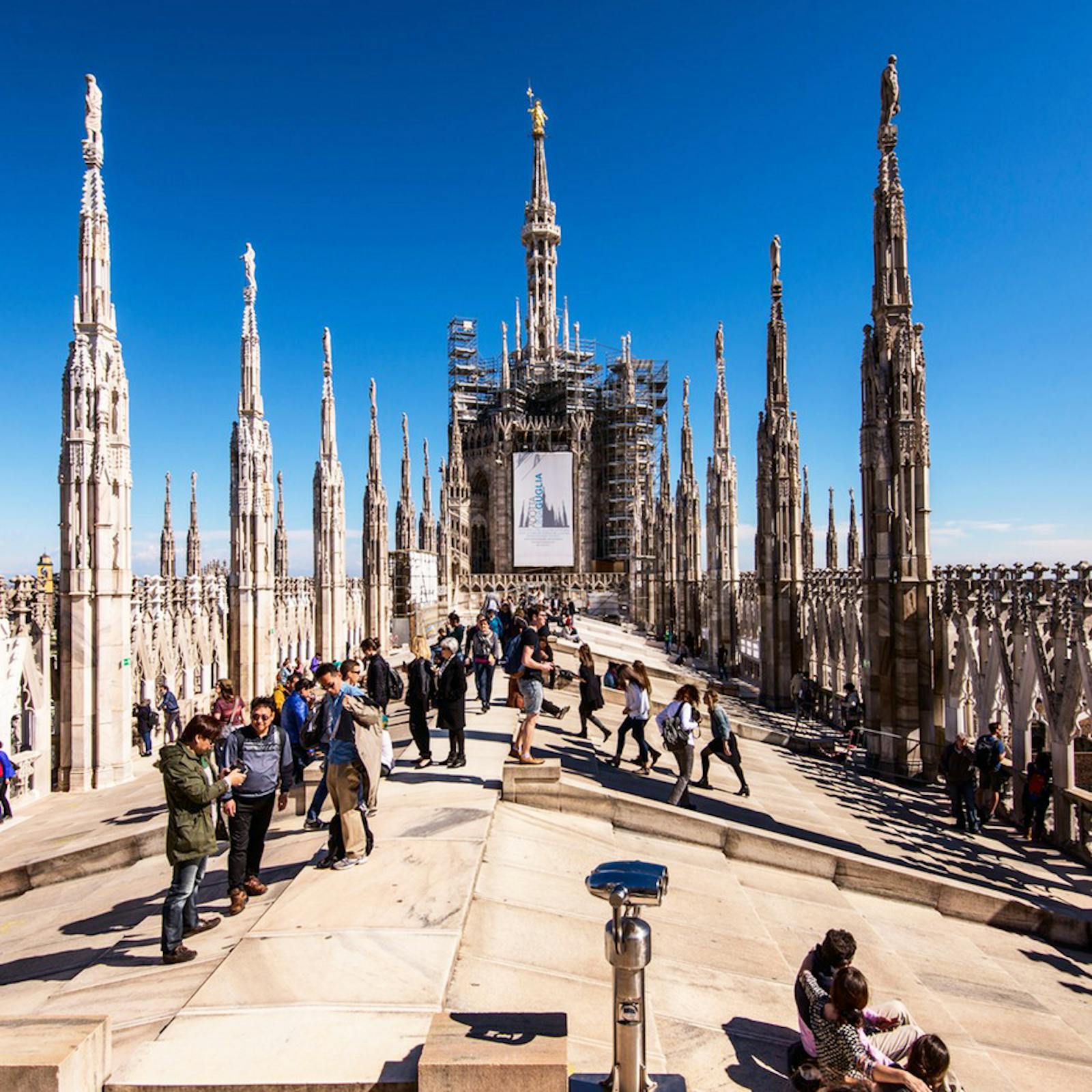
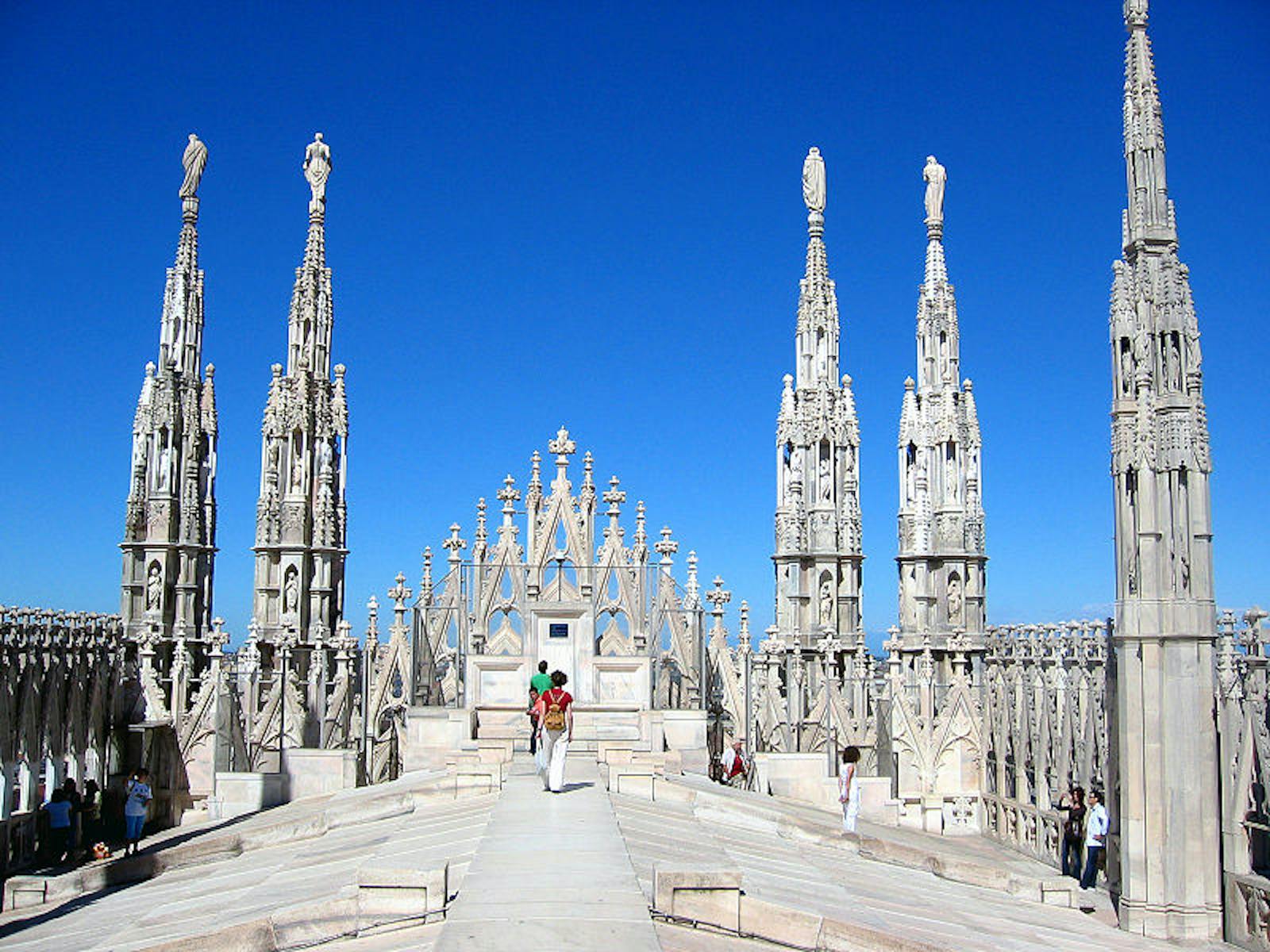
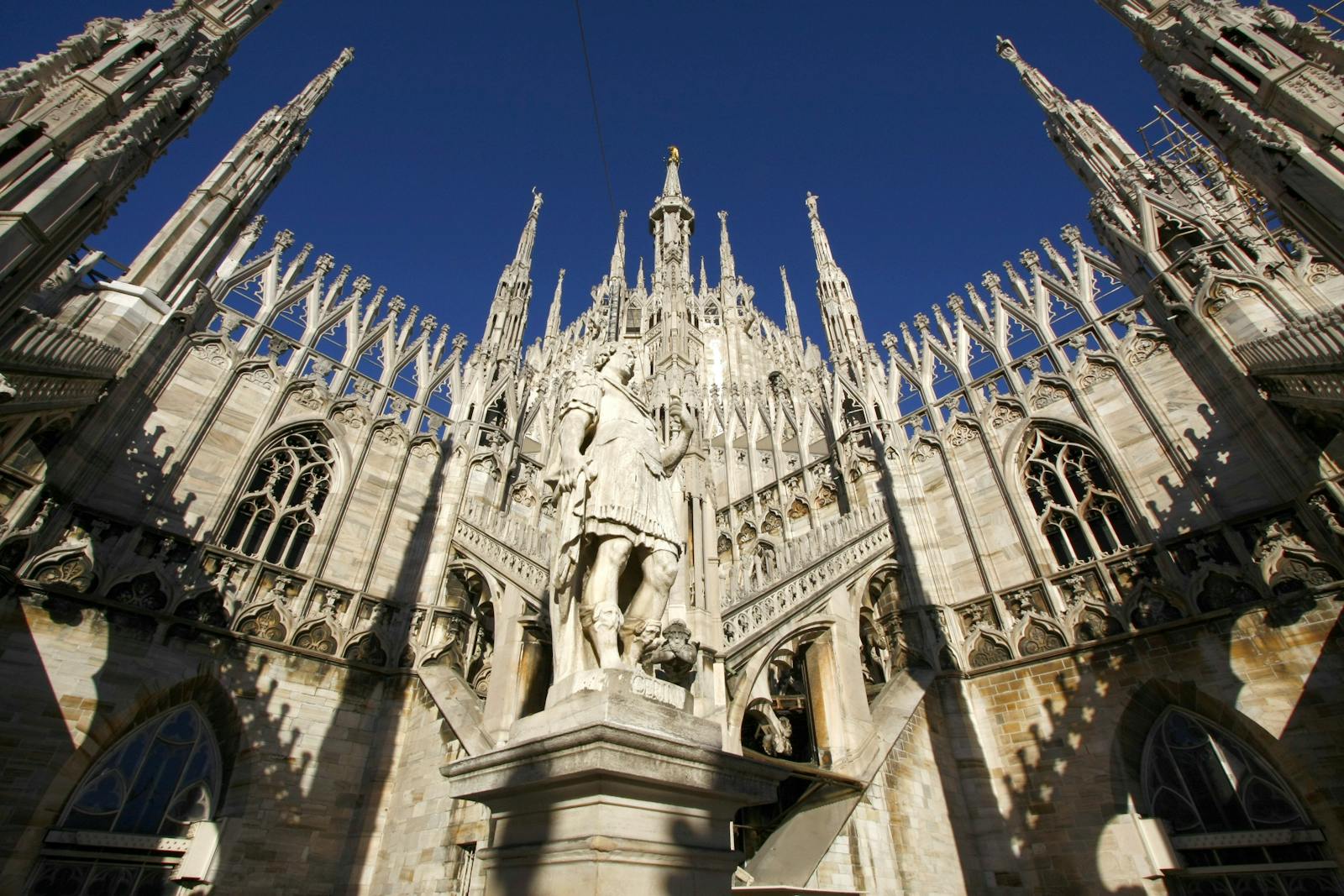
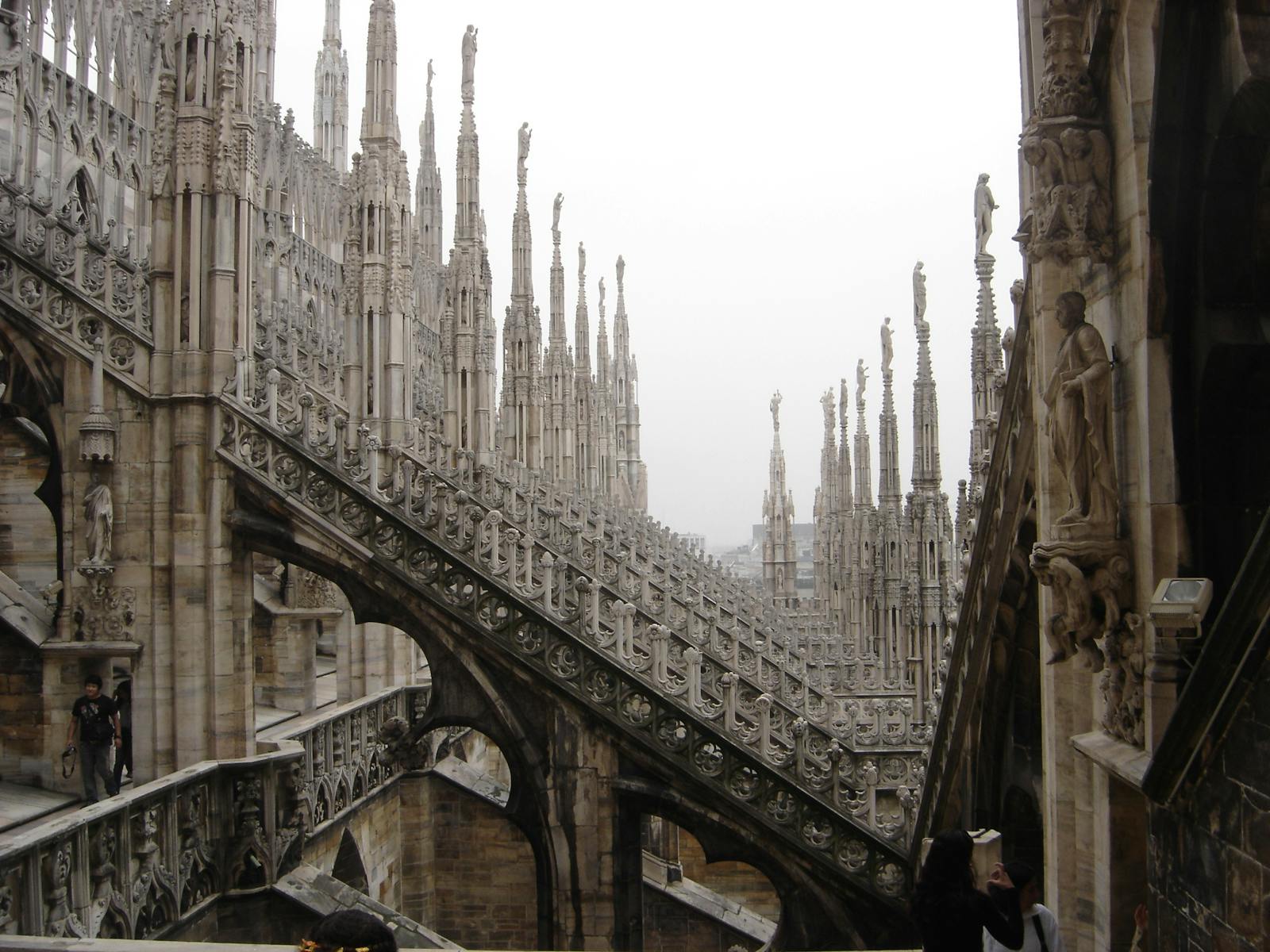
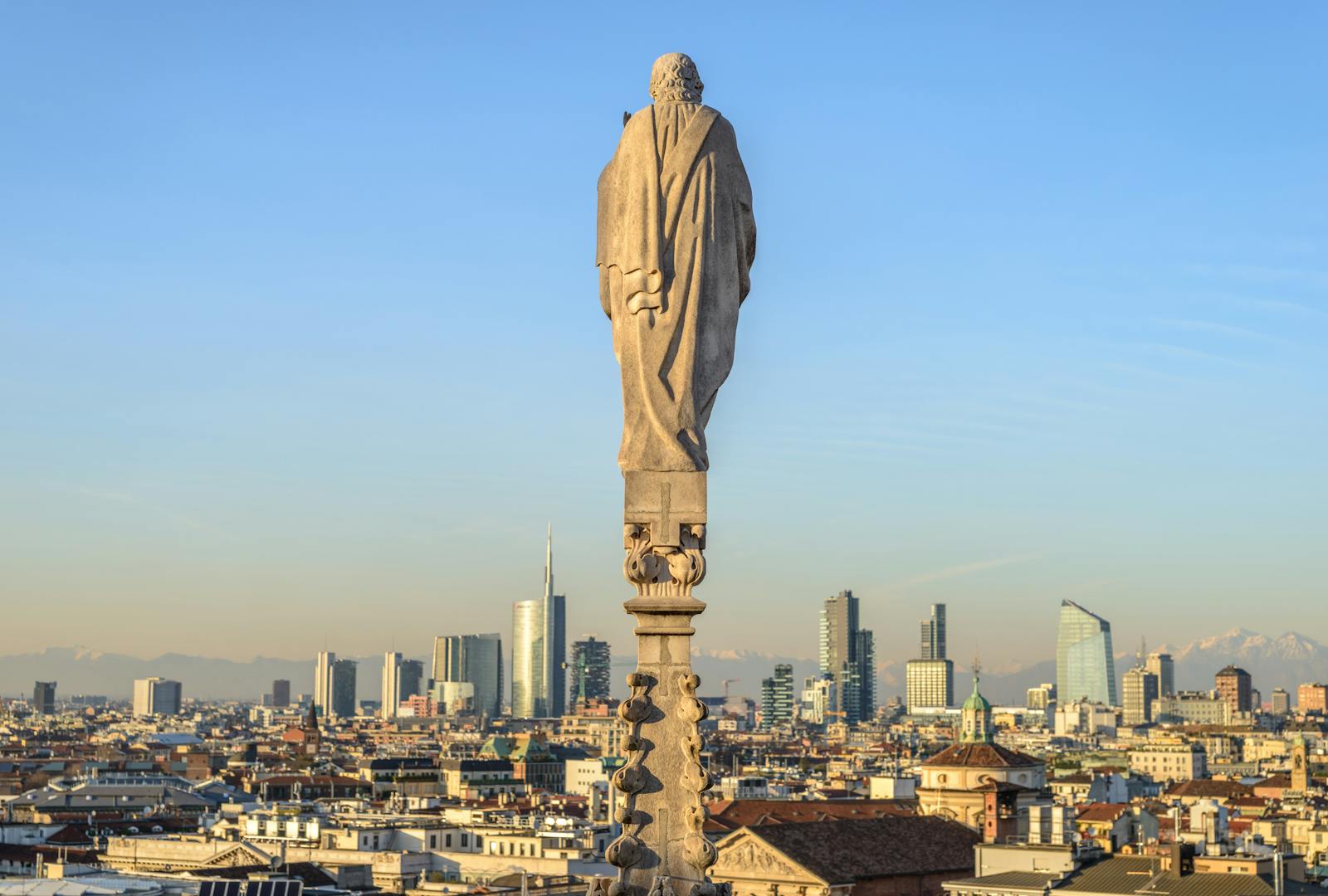
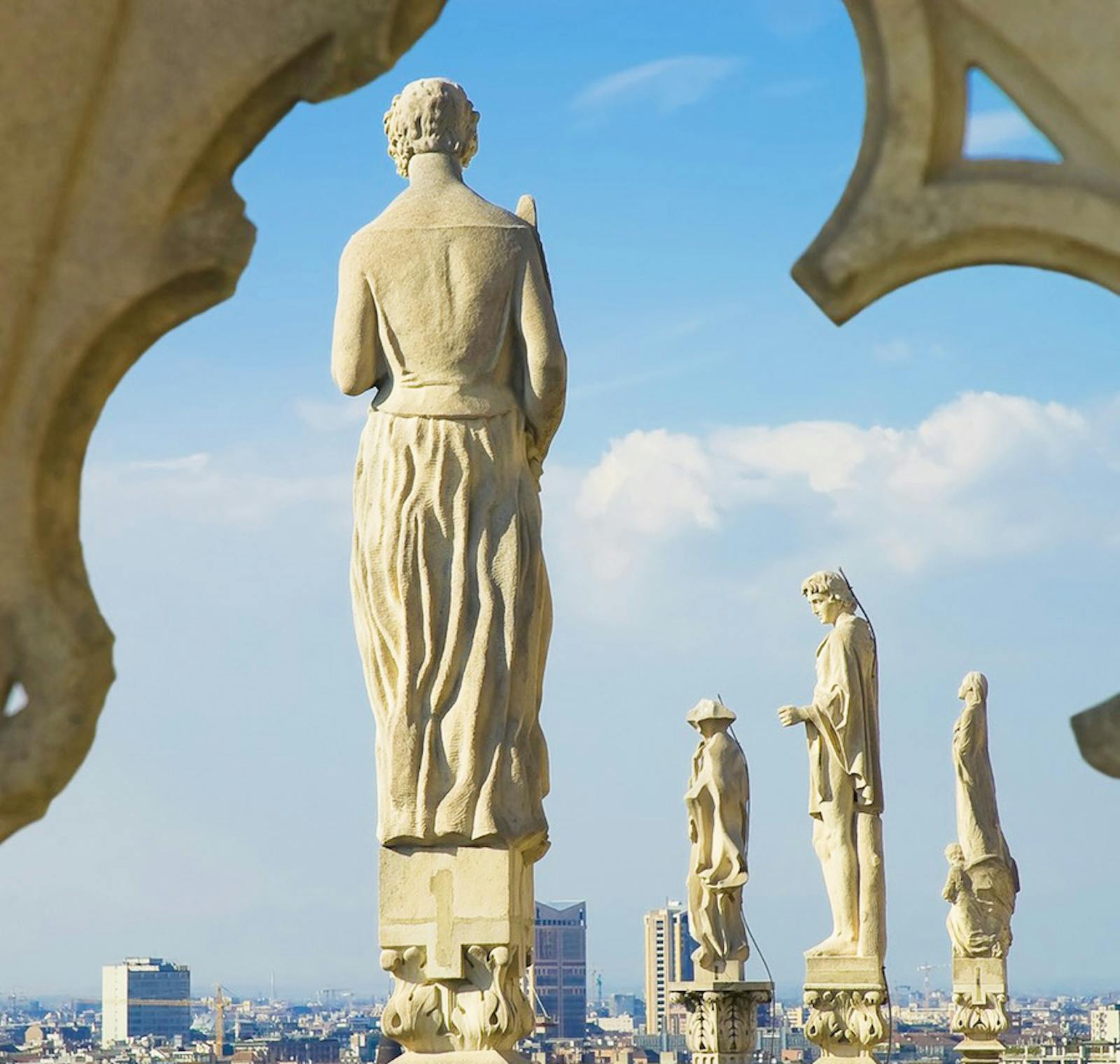
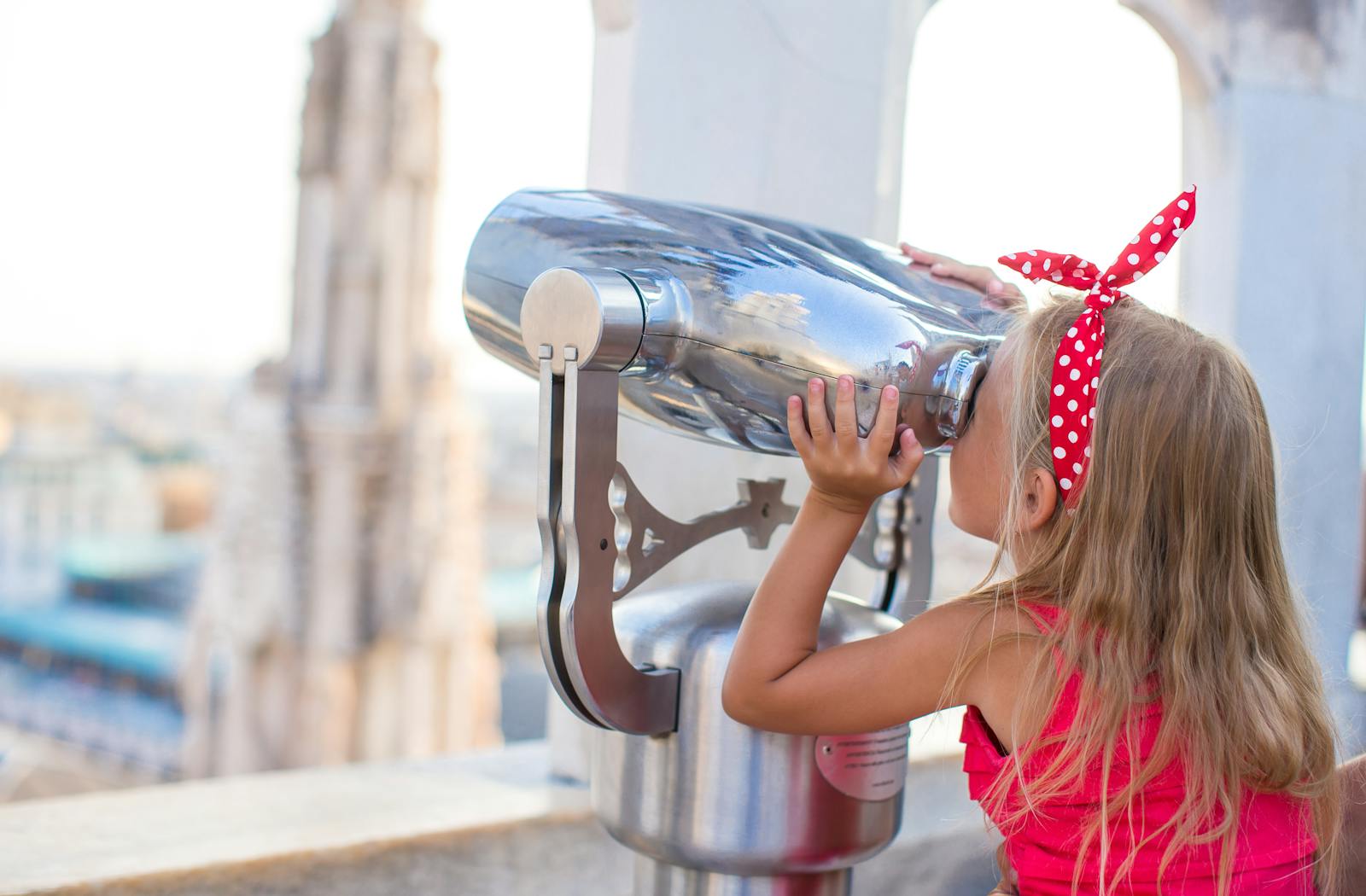
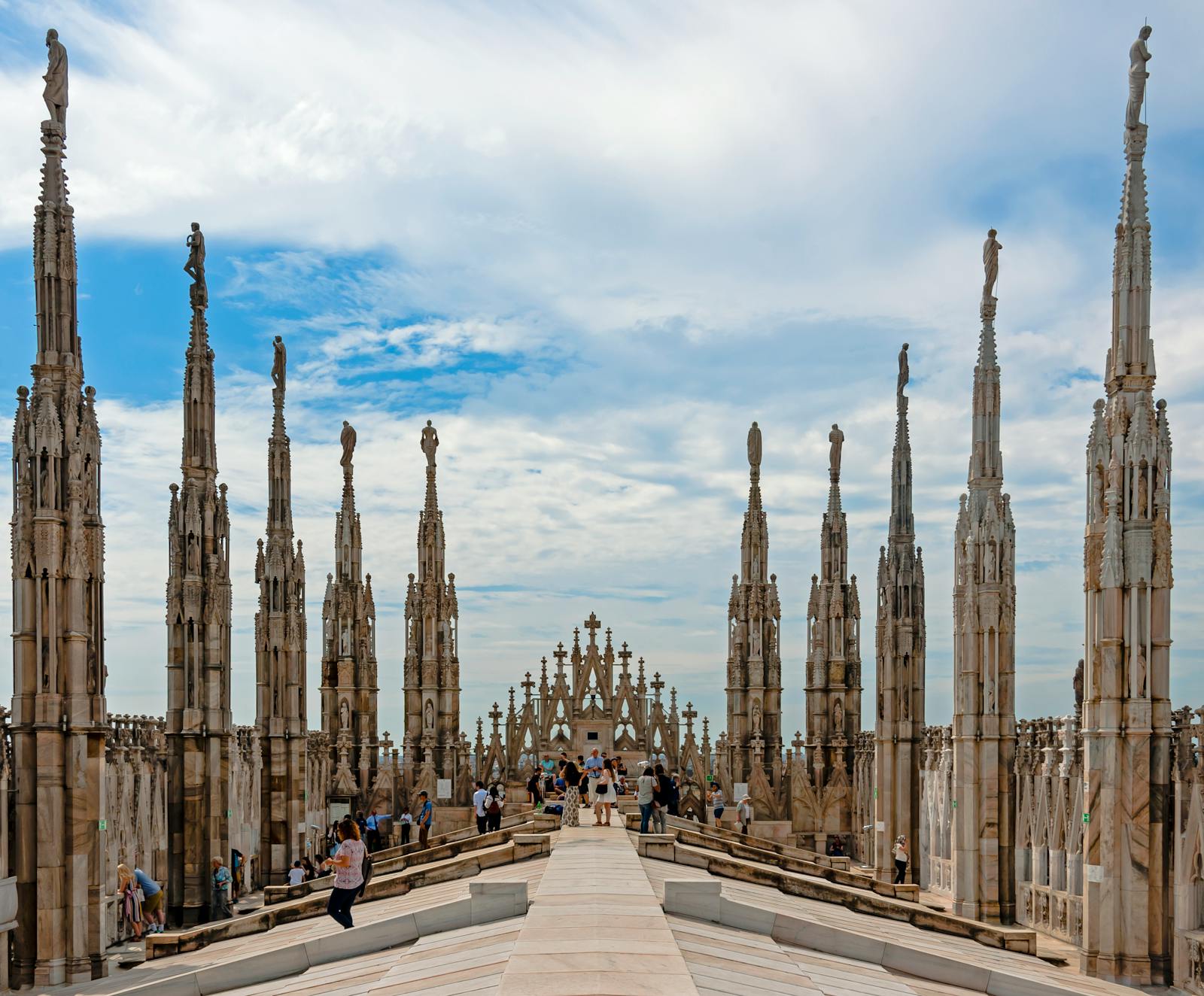
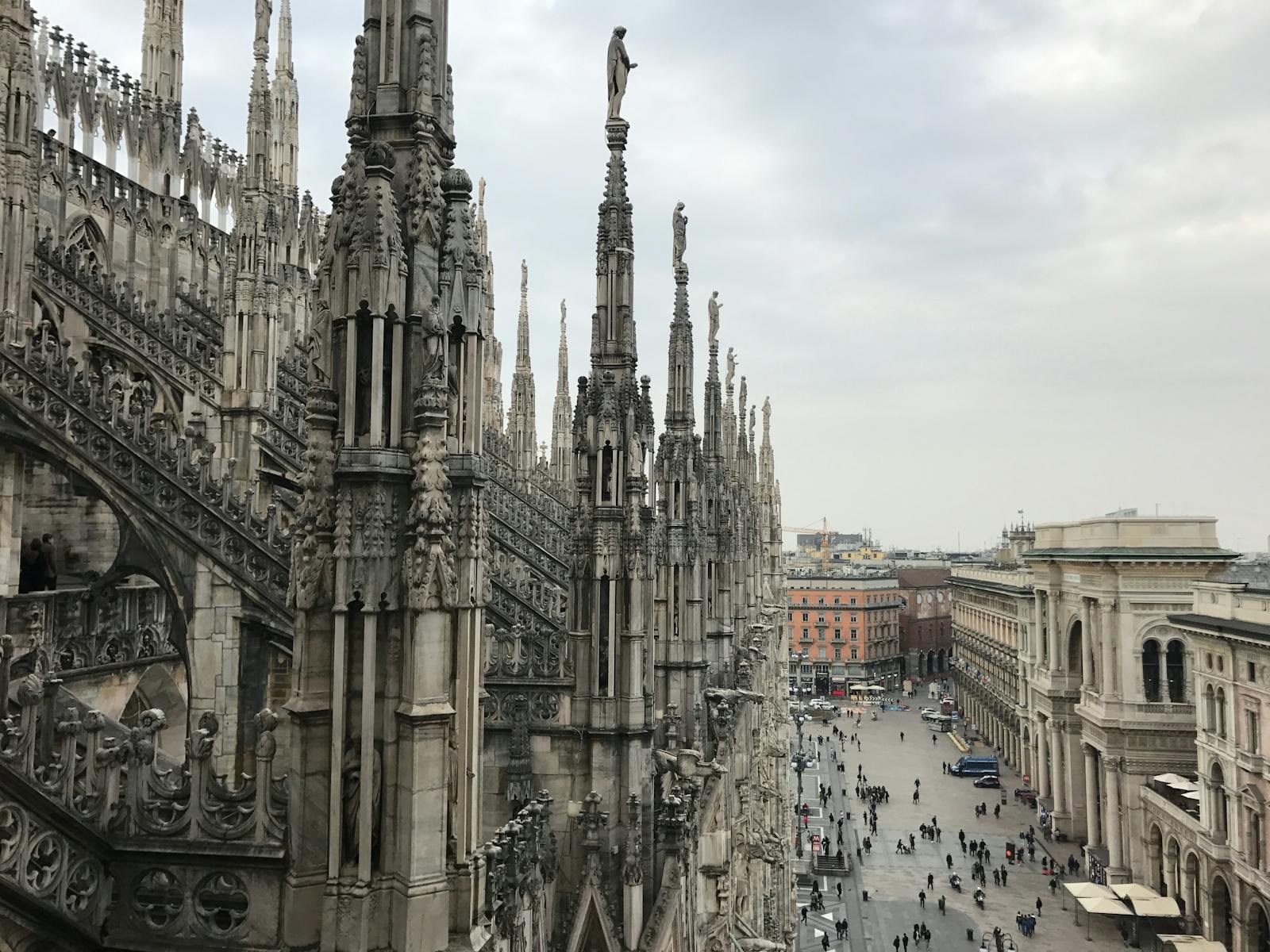
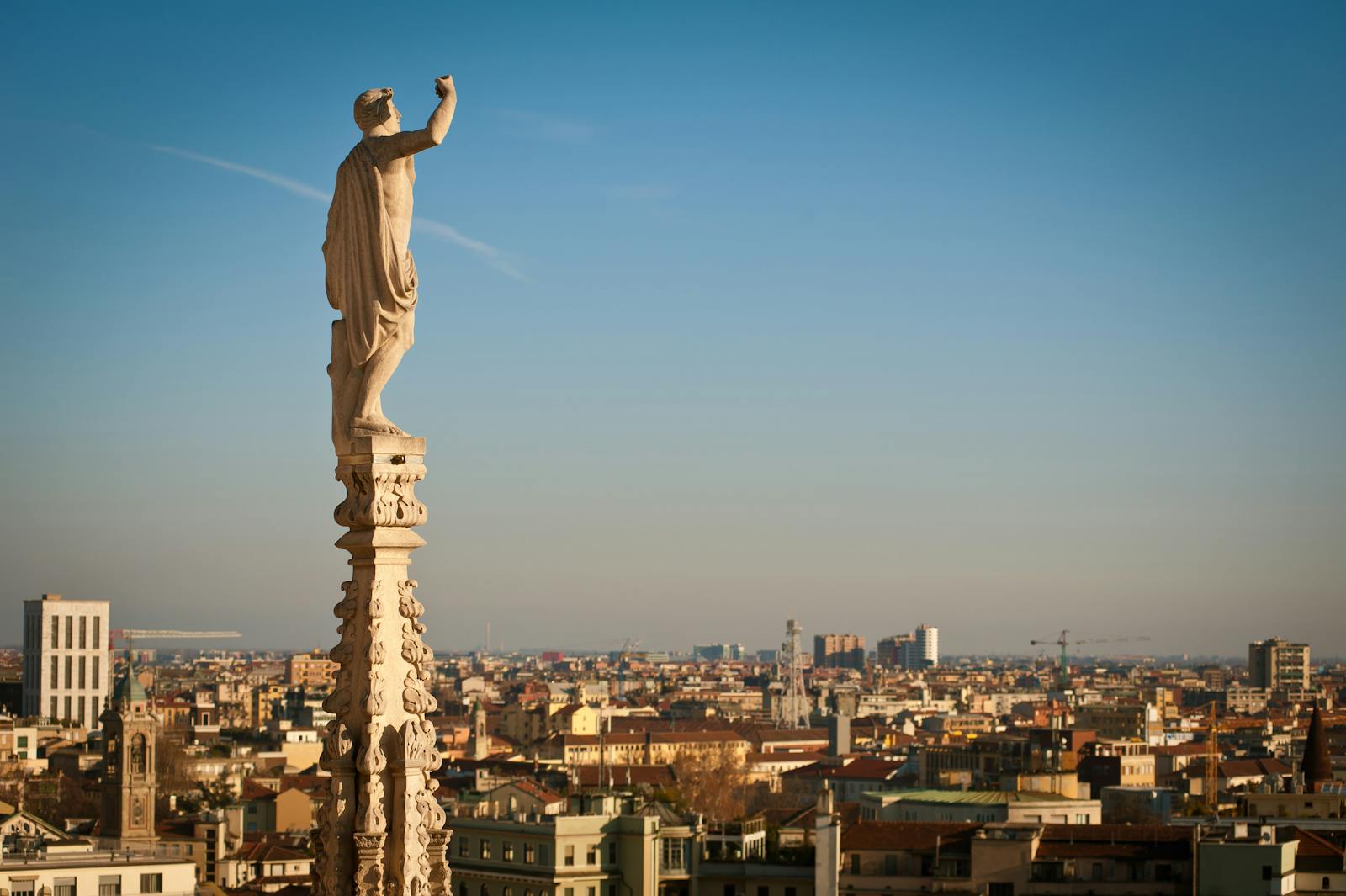
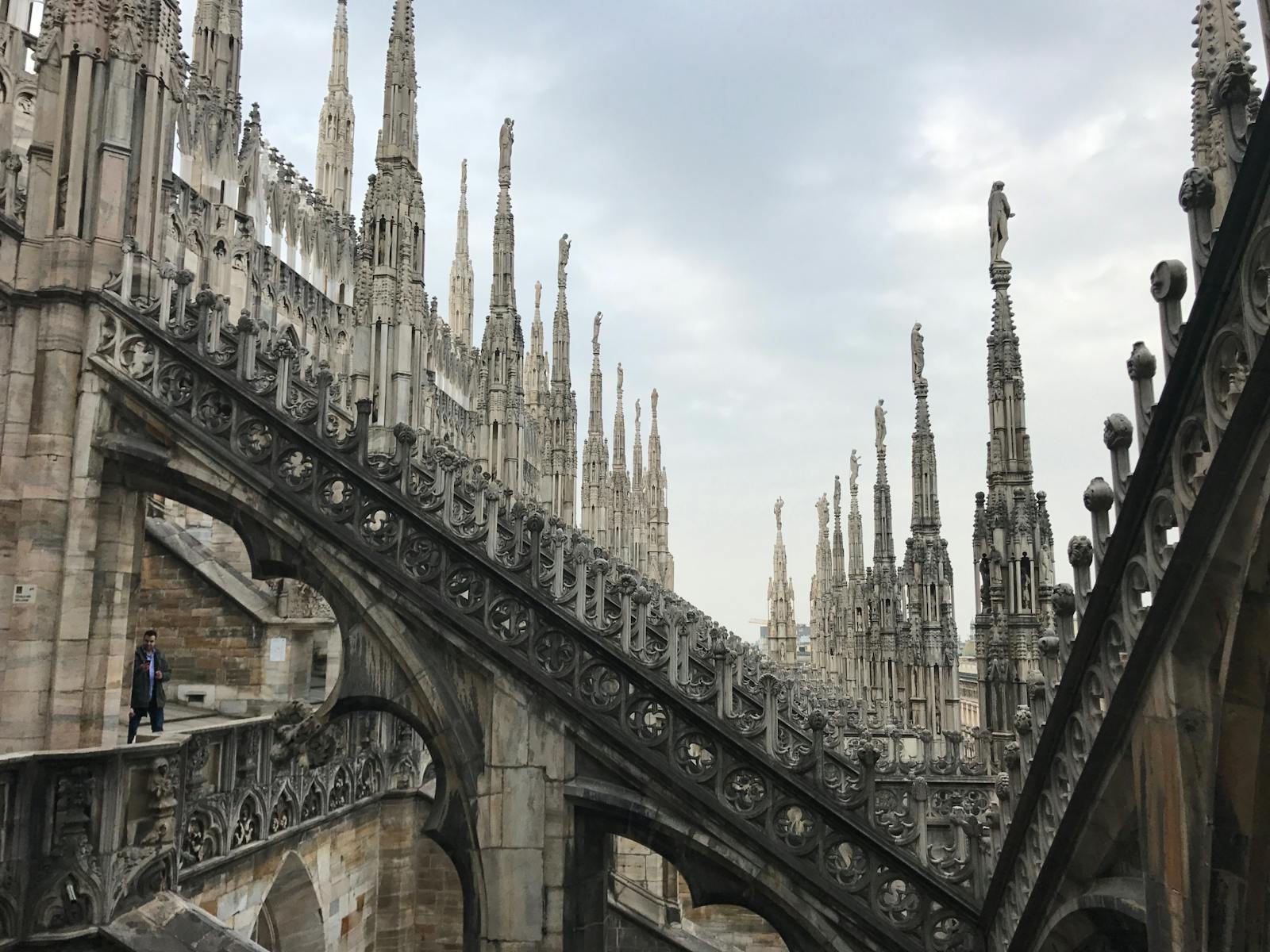
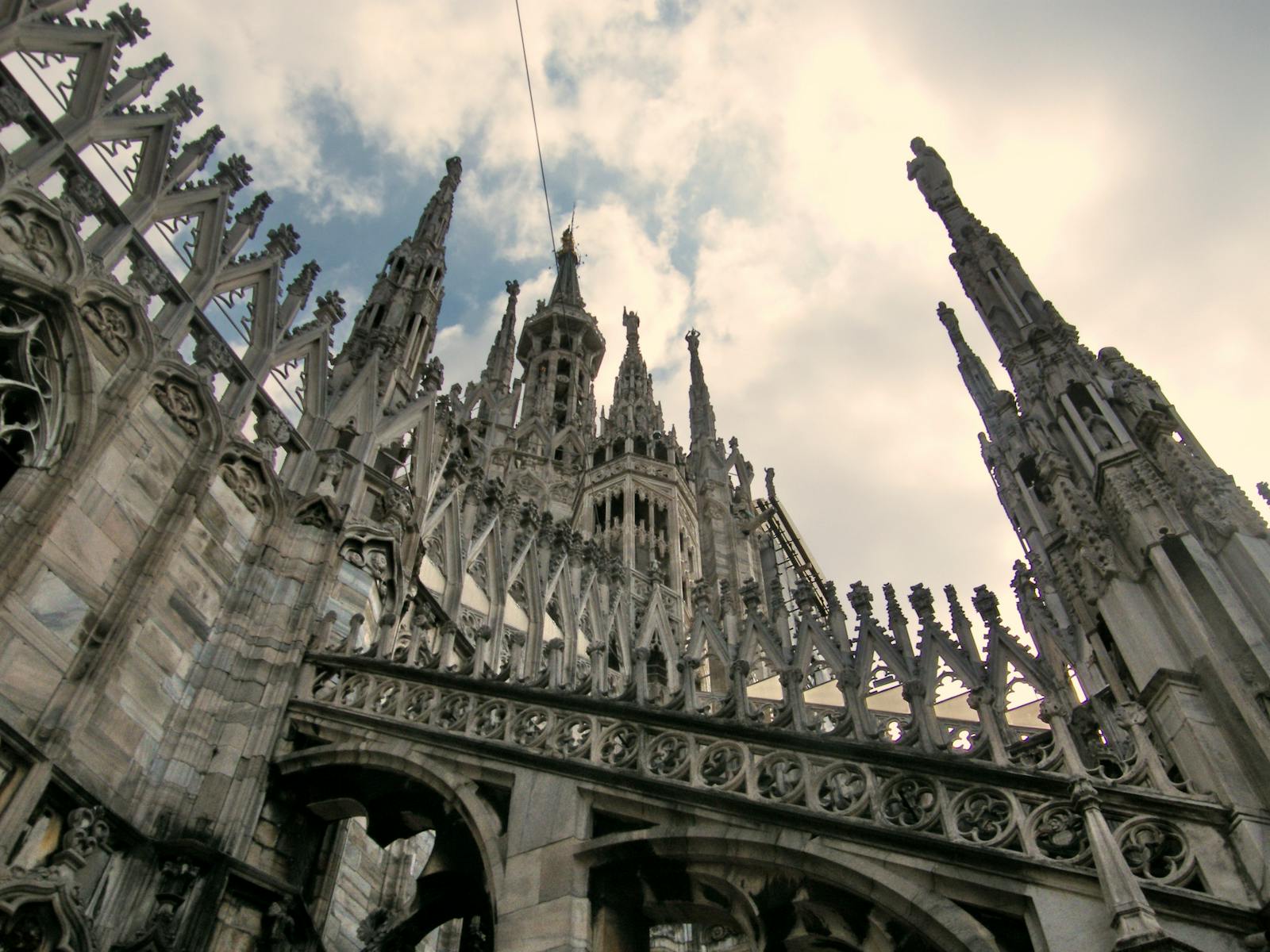
The terrace experience is the major distinctive feature of the Duomo, offering an unbeatable view of Milan and the Alps. You will walk among the 3,400 statues that adorn the façade and roofs, creating a labyrinth of pinnacles and spires. This immersion in the 'marble sky' allows you to understand the structural complexity of the building. Changing light reveals sculptural details invisible from the ground.
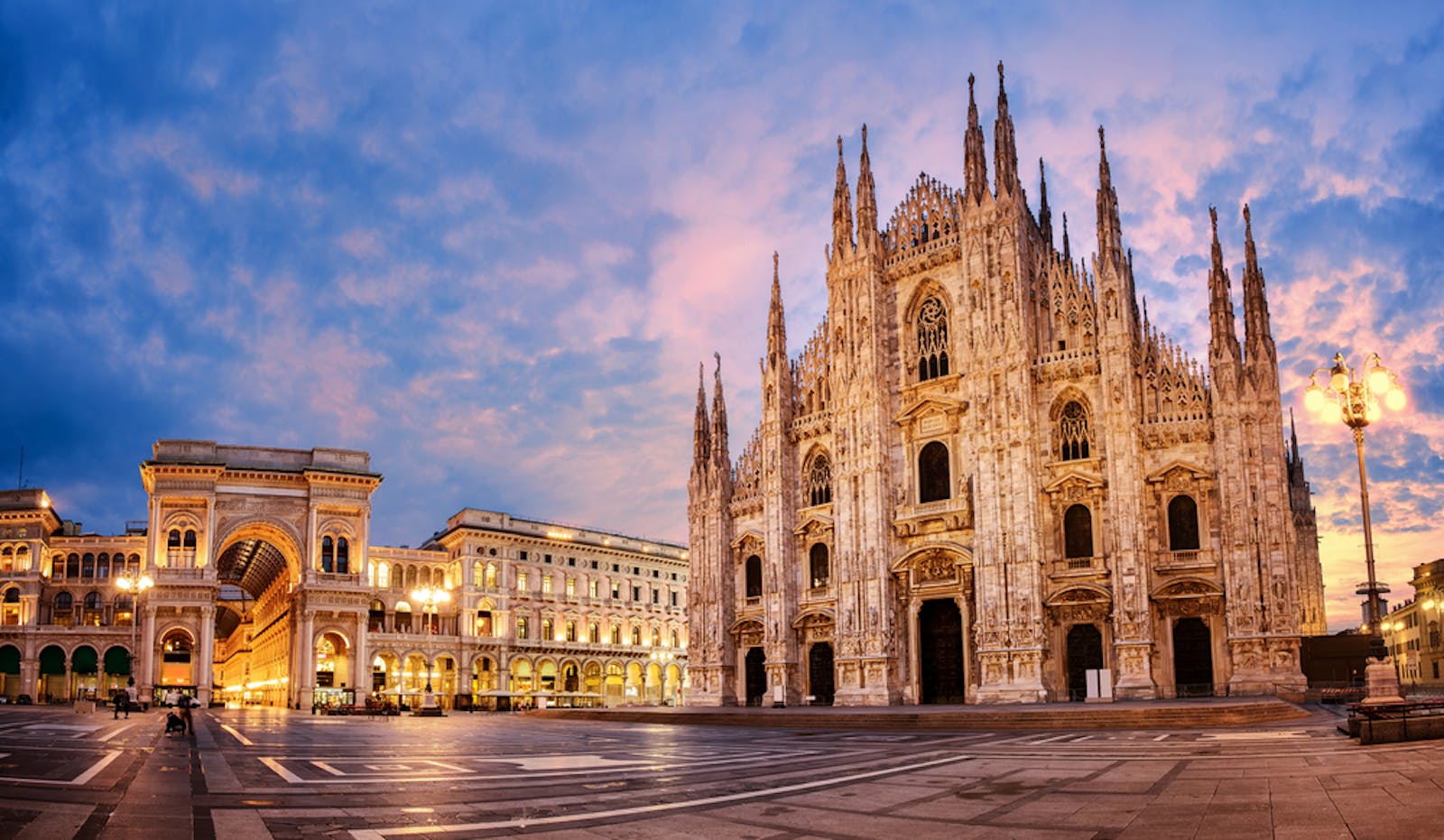
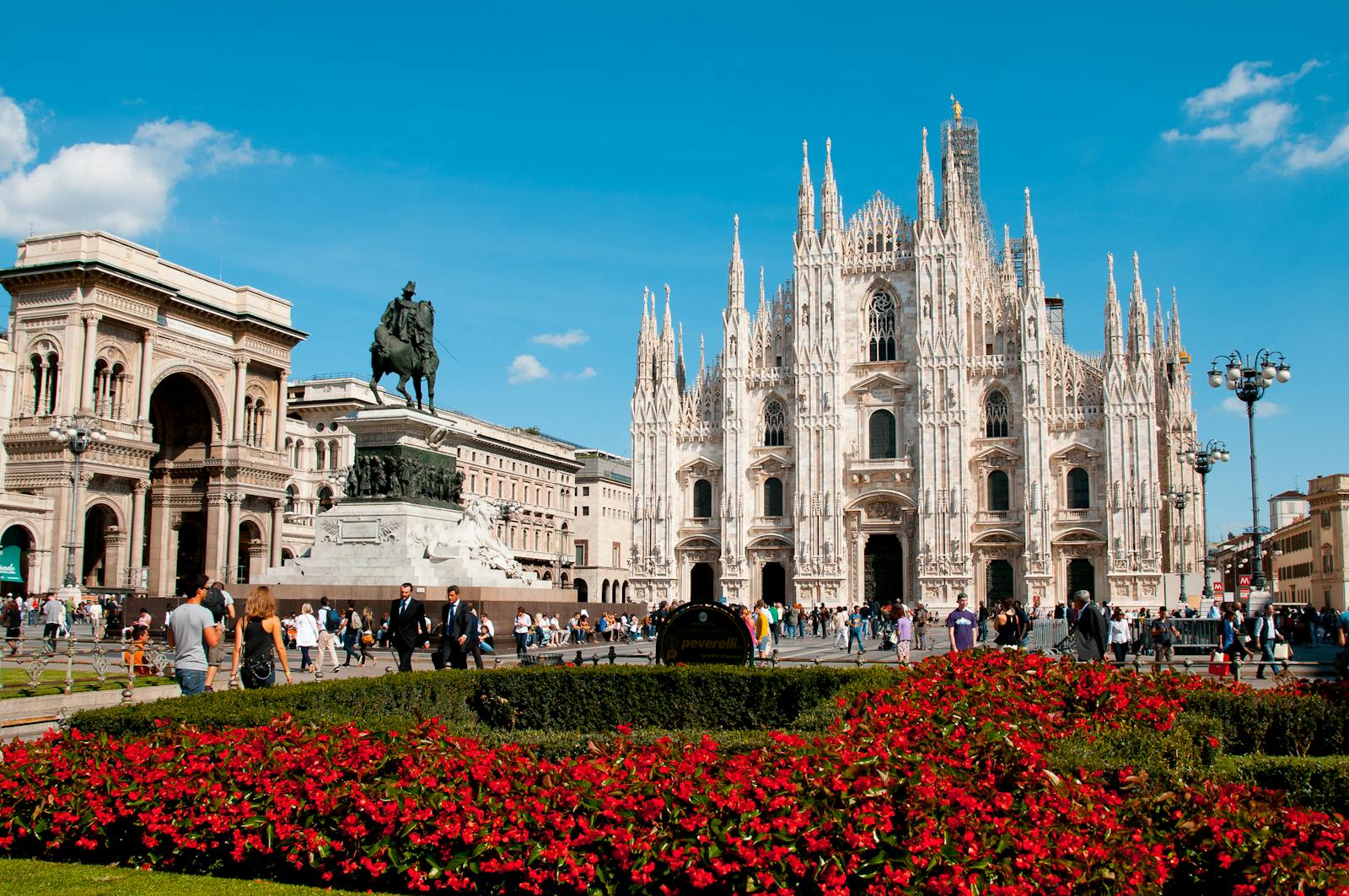
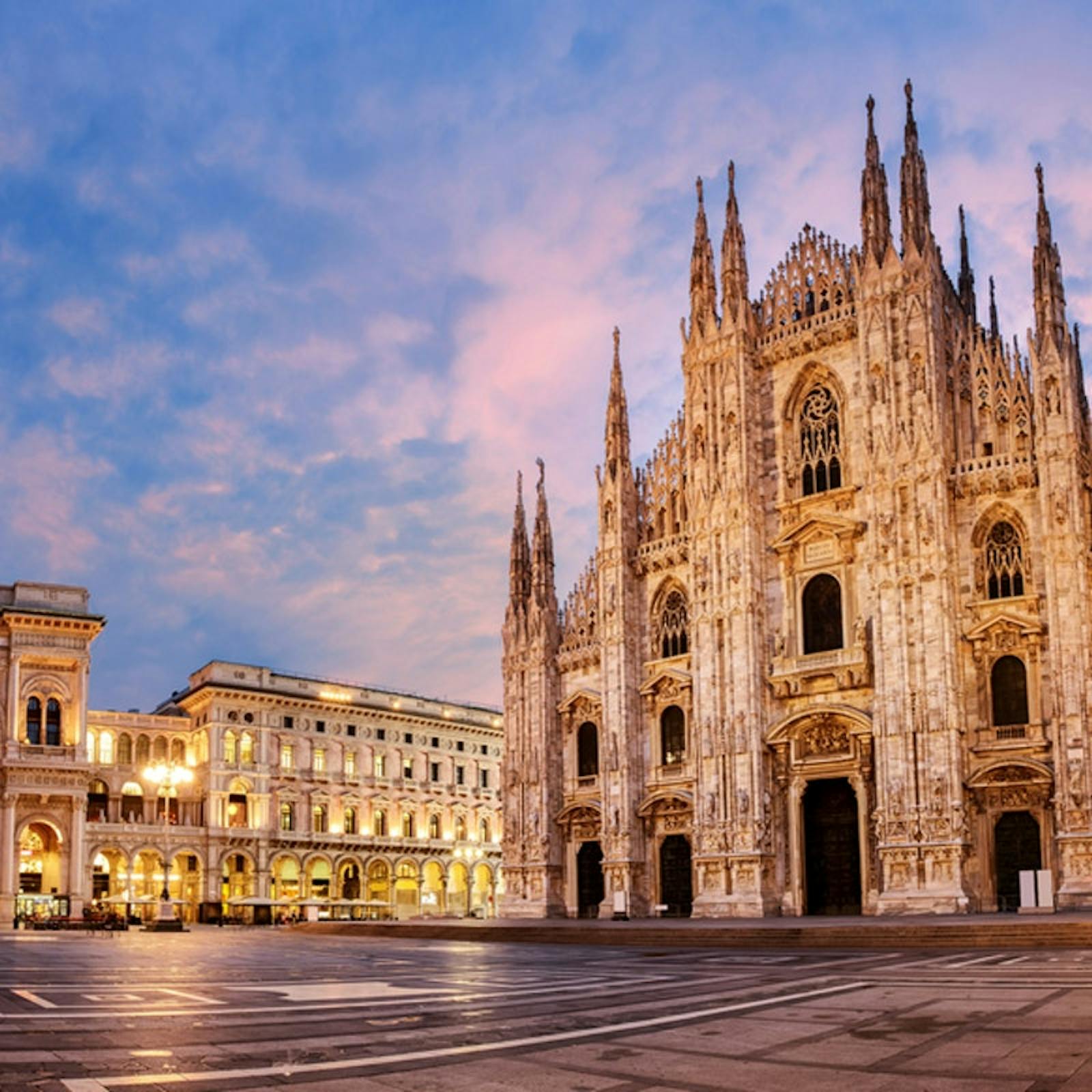
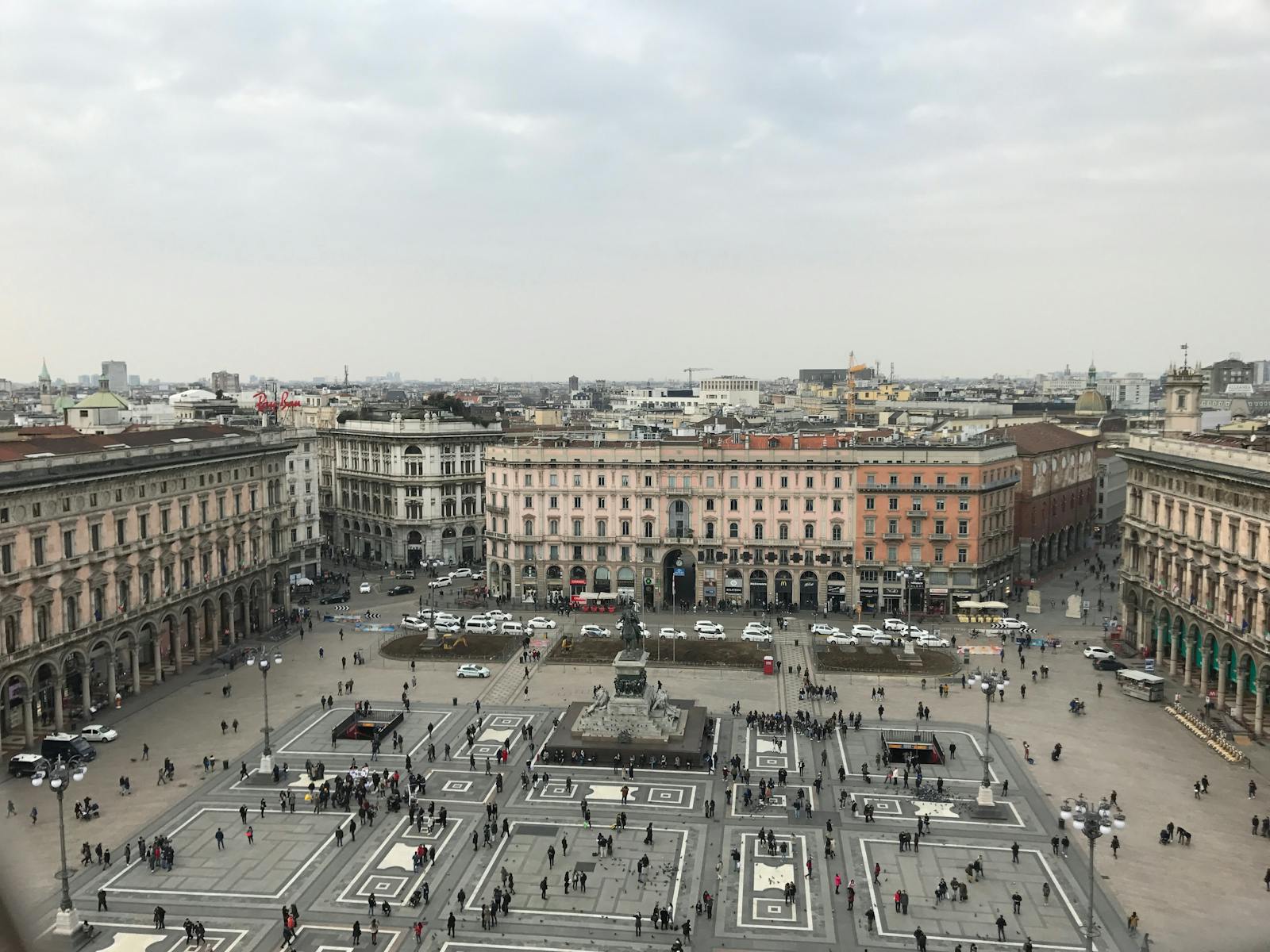
At the top, the Madonnina dominates the city at 106 meters altitude, serving as a protective landmark. According to legend, it is impossible to touch this golden statue without sinning, symbolizing divine grace. From the terraces, you can admire the Galleria Vittorio Emanuele II and the central square. It is the ideal moment to photograph the Gothic silhouette against the Milanese sky.
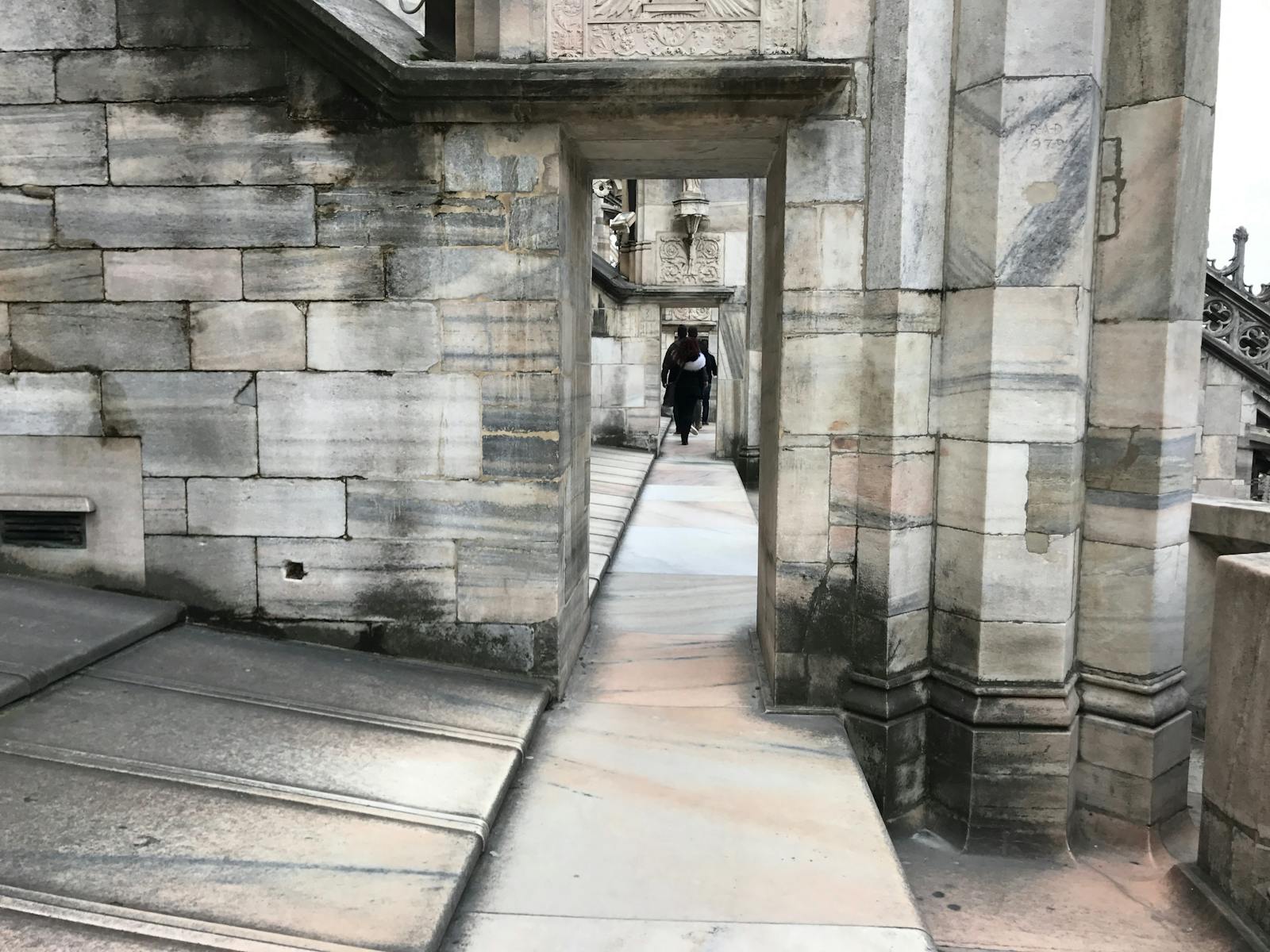
Accessing the terraces requires physical preparation, with steep stairs and sometimes slippery marble surfaces. It is advisable to wear comfortable shoes and check the weather for optimal visibility of the Alps. Queues are shorter early in the morning or late in the day. This visit offers a unique perspective on Milan's urban planning and the scale of the construction site.
Practical info and accessibility
For Milan Duomo skip-the-line tickets, online booking is essential, especially during peak season. Milan Duomo opening hours 2024 vary by day, with restrictions during masses. The interior is often free, but the terraces require a paid ticket. Allow 1h30 to 2h for a complete visit including the interior and roofs. Check availability in advance to avoid disappointment.
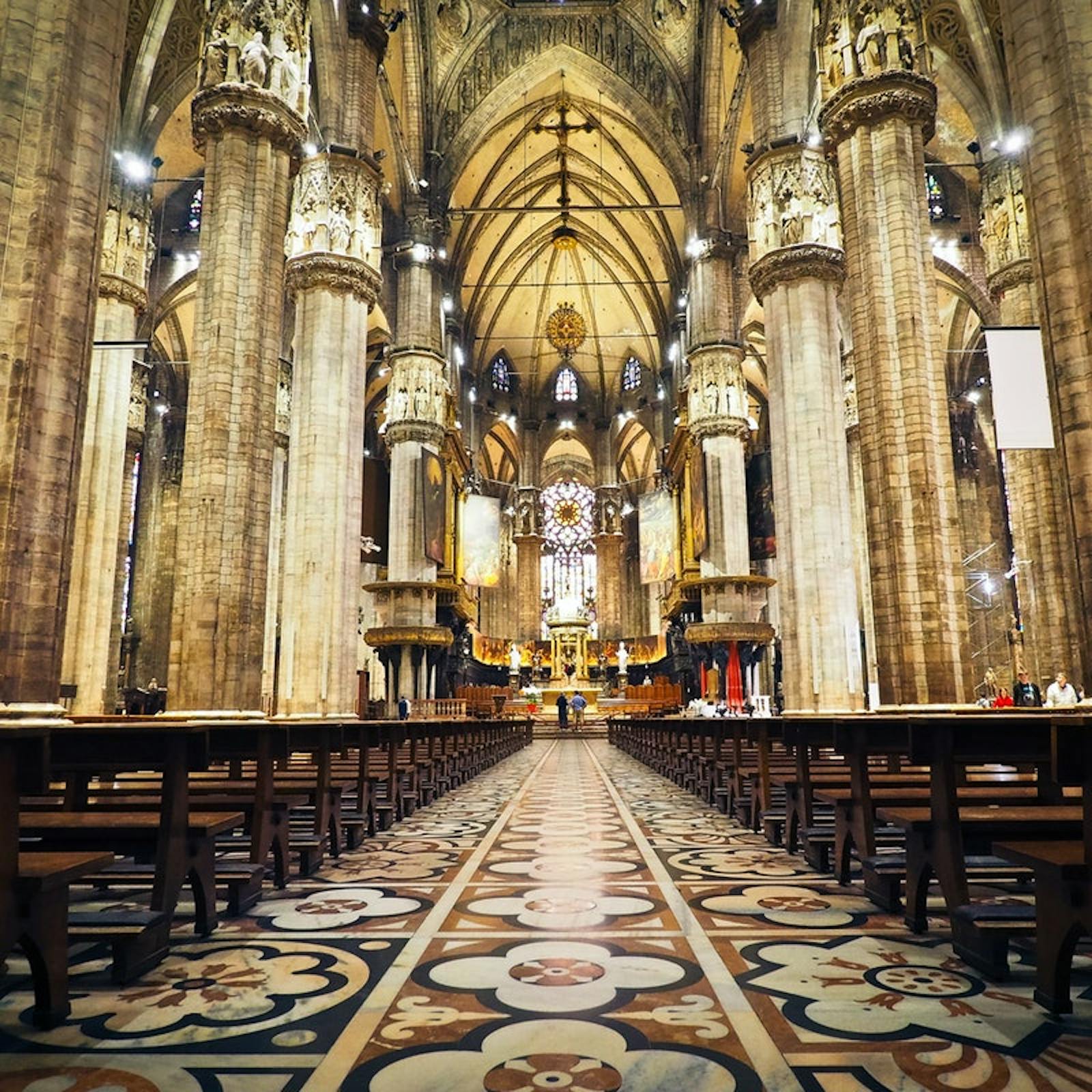
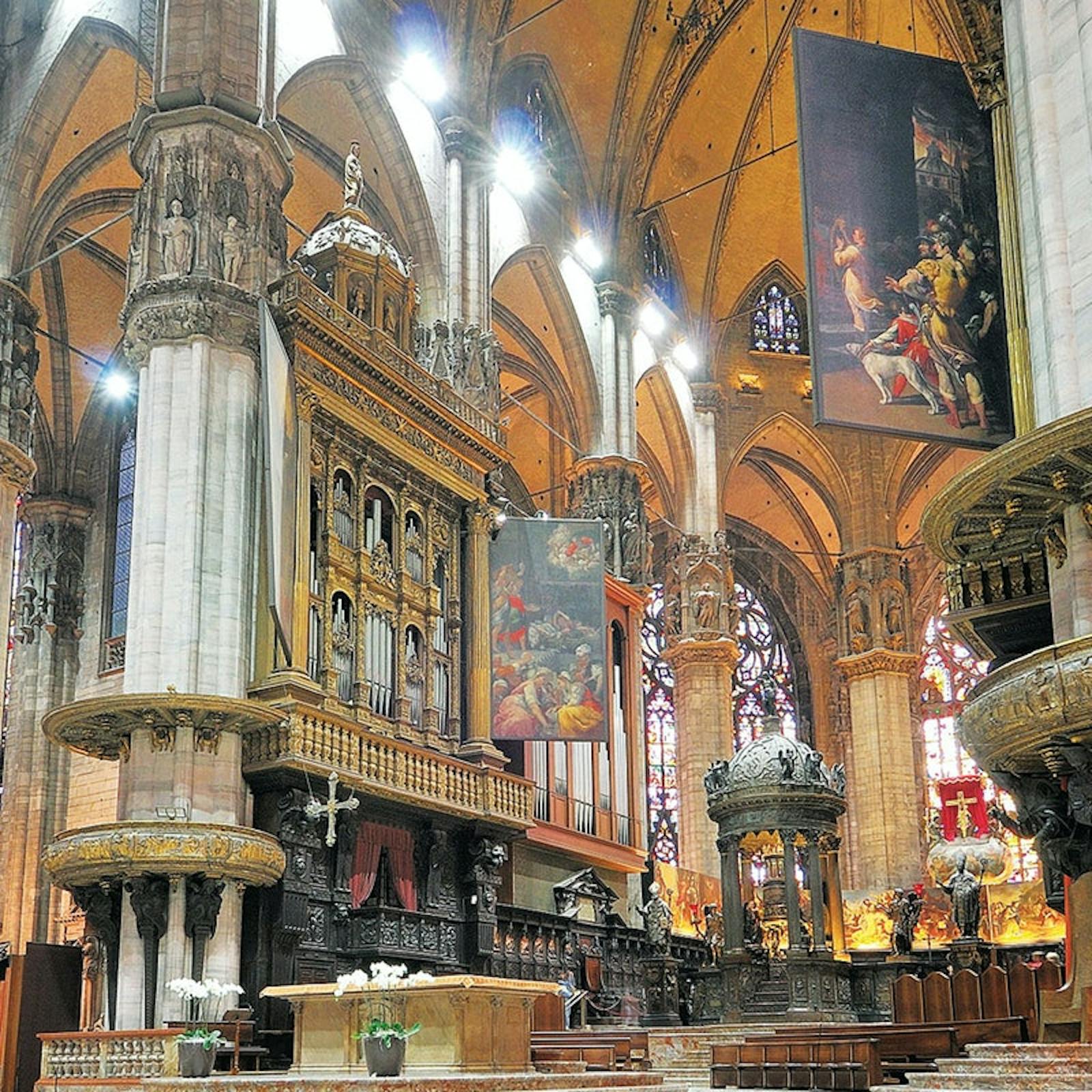
The Duomo is partially accessible to people with reduced mobility, although the terraces remain difficult to access without an elevator. The interior has adapted facilities, but there are many stairs to the roofs. A dress code is required: shoulders and knees must be covered. Respect religious celebrations by avoiding visits during services. The Museo del Duomo complements the visit with models and historical relics. Also discover the crypt housing the remains of local saints.
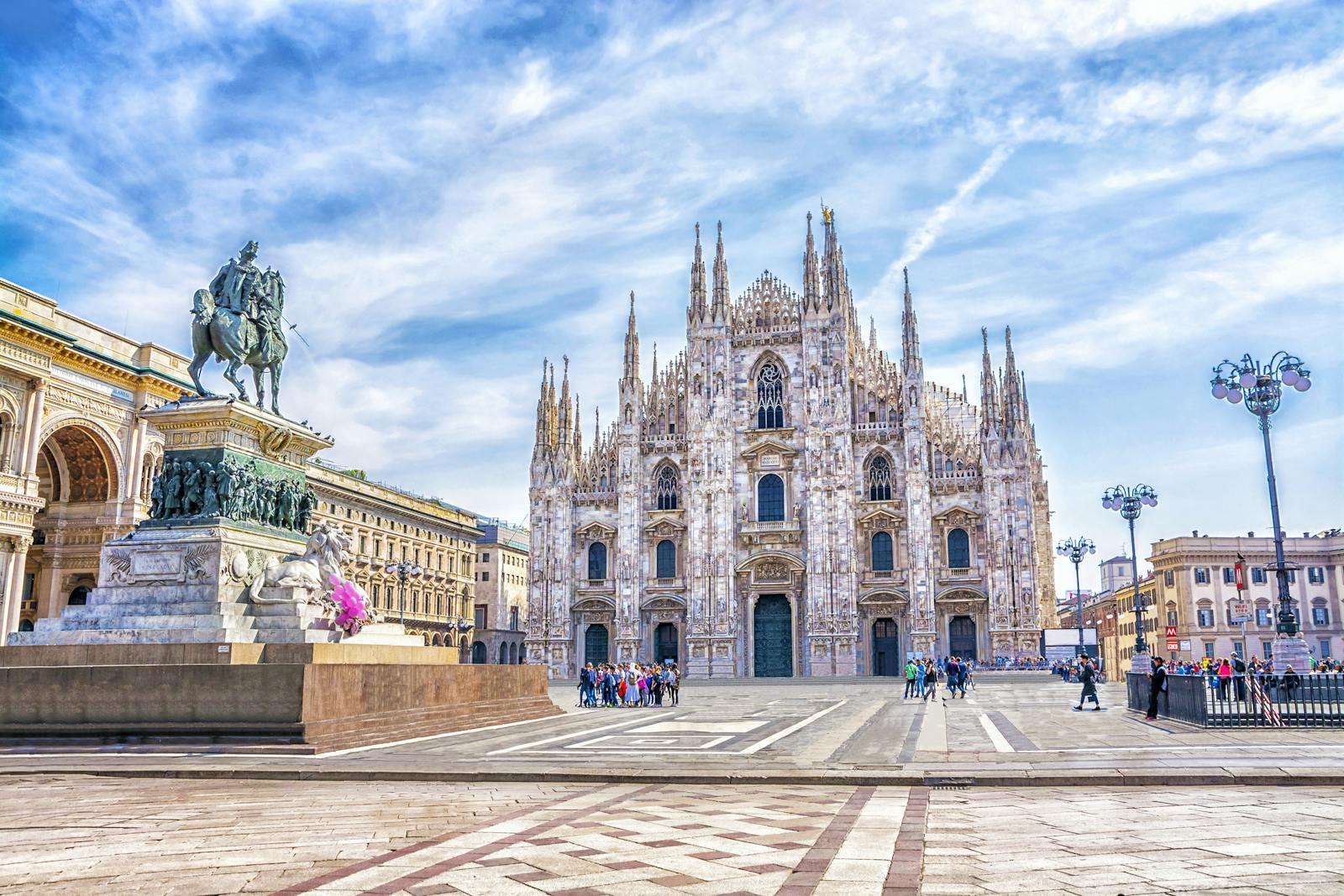
The route from the central station is simple: M3 metro to Duomo stop or a 20-minute walk via Via Monforte. Piazza del Duomo is the central point, connected to the Galleria Vittorio Emanuele II. Avoid unofficial street resellers and prefer authorized points of sale. A power bank is recommended for the many photos on the terraces. Plan your visit to fully enjoy this Gothic jewel.